
Subscription Growth:
How Sense Naturals turned 35% of first-time buyers into subscribers from day one.
The Challenge
A Great Product With No System Behind It
Sense Naturals is a wellness brand selling supplements that address IBS and inflammation. The product was legitimately effective. Customers who used it saw real results, and the ones who stuck with it became vocal advocates. The brand had a small but active subscriber base and loyal returning customers.
Growth had stalled. The subscription program wasn't being managed. There was no backend system converting one-time buyers into repeat purchasers, let alone long-term subscribers. Traffic was coming in and some conversions were happening, but there was no structure to move a customer from their first order to their third, sixth, or twelfth.
The website lacked clarity around who the product was for, had no conversion focus, and didn't communicate the value of subscribing. The ads being run were standard paid UGC that people scrolled right past. Consumers can read through inauthentic creator content immediately, and it was actually hurting the brand's perceived value rather than helping it.
This wasn't a product problem or a platform problem. It was a systems problem. The pieces were all there, they just weren't connected.
Our Strategy
Build the Entire System, Not Just One Channel
We rebuilt the full subscription engine across every touchpoint, from the first ad someone sees to the email they get after their fourth billing cycle. The stack included Instant for page builds, Klaviyo for retention emails, Skio for subscription management, and Meta for paid acquisition. But the tools only matter if someone knows how to connect them, and that's what we focused on.
The existing website was not conversion-focused. There was no clarity around who the product was for, no continuity to the messaging, and nothing that moved a visitor toward subscribing.
We applied a seven-step homepage framework built around the questions a first-time visitor is actually asking: Can I see myself using this? How does it work? What's in it for me? What does it cost? What if I don't like it? Why should I trust this brand? And where does this product fit into my life long-term?
Since Sense only has three SKUs, we didn't need to build out a complex landing page ecosystem. We focused on making the homepage do the heavy lifting, rebuilding it in Instant with clear messaging, strong social proof, a visible subscription offer, and a continuity narrative that helped visitors picture themselves using the product for months and years, not just weeks.
High Converting Email Strategy
We built a universal post-purchase flow in Klaviyo that split subscribers and non-subscribers into different paths, because those two customers need completely different things.
For subscribers, the flow had three stages.
1) Subscription Activation: A three-email sequence that hits immediately after someone subscribed. The first email addressed the elephant in the room, showing the customer exactly how to access their portal, how to pause, edit, or cancel their subscription. In a market where people assume subscriptions are a trap, getting in front of that anxiety right away was critical. The second email was a usage guide with tips on making the product part of a daily routine, because with supplements, consistency is everything. The third email laid out a results timeline showing what to expect at week one, week two, month one, month three, and beyond, pushing the continuity narrative that this product delivers compounding value over time.
2) Second Billing Cycle: Here, we reinforced the continuity narrative and pushed testimonials from customers who had been on the product for months and years, not just weeks. The goal was deepening credibility for customers who were still on the fence about keeping their subscription.
3) Fourth Billing Cycle: We got a lot more strategic here. Cohort data showed that this was the biggest drop-off point, customers who made it past the fourth cycle had strong retention after that. So we introduced a surprise and delight offer at the fourth billing cycle, giving subscribers a transactional incentive to complete that renewal. From there, the offer repeated every third cycle (fourth, seventh, tenth, and so on). The logic was straightforward: cohort data showed that if we could keep subscribers past the fourth cycle, long-term retention held strong. So we made that fourth renewal a no-brainer. It worked.
For non-subscribers, we set up a two stage flow:
1) First Order Flow: A standard welcome sequence with founder story, quick tips, results timeline, testimonials. No mention of subscription at all. They just made their first purchase, which is a big deal on its own, and we didn't want to scare them off by immediately pushing a commitment.
2) Second Order Flow: We switched things up a little here. If someone came back and bought a second time without subscribing, we knew the product was working for them. At that point we introduced the subscription offer: up to 35% off plus free shipping. For customer already seeing results and choosing to reorder, it was a straightforward value proposition.
Paid Media
The ads running before Social Lite came on were standard UGC with creators who didn't feel genuine. The kind of content people scroll past without a second thought. The metrics reflected it: a 24% hook rate, 7% hold rate, and a $12.60 cost per unique outbound click. Not sustainable.
We completely shifted the creative approach. The founders of Sense deal with the same health issues their product addresses, and they sell at trade shows and events where they have real conversations with real customers. We started capturing that footage. Founders sharing their story, customers sharing theirs, authentic conversations happening naturally.
For statics, we kept it simple. Hero product images with proven hook frameworks. Clean templates, sharp copy, nothing overwhelming. The hooks were built on specificity and visualization: statements that a customer dealing with IBS or inflammation would immediately connect with, that competitors couldn't credibly make.
The results were night and day. CPMs dropped from $48 to $26. Hook rate went from 24% to nearly 50%. Hold rate jumped from 7% to 24%. Cost per unique outbound click dropped from $12.60 to around $1. The ads also built a community in the comments, with thousands of likes, shares, and real conversations between curious non-buyers and existing customers validating the product.
We built the ad funnel around stages of awareness and spoke to the customer's mindset at each level.
Top of funnel was problem aware. The objective was to spark curiosity and introduce the brand. No pushing product, no subscriptions, no transactional offers. Just acknowledging the customer's pain and letting them know they're not alone. Founder story content and scroll-stopping statics addressing the problem.
Middle of funnel was solution aware. These people now know Sense exists. The goal was building belief through life-changing testimonials and authentic UGC that validated social proof. Still no subscription push. Just deepening credibility.
Bottom of funnel was ready to buy. This is where subscriptions entered the conversation. Transactional offers with the sub, the continuity narrative reinforced through testimonials of long-term users, results timelines, and the 35% off plus free shipping offer to close.
The Results
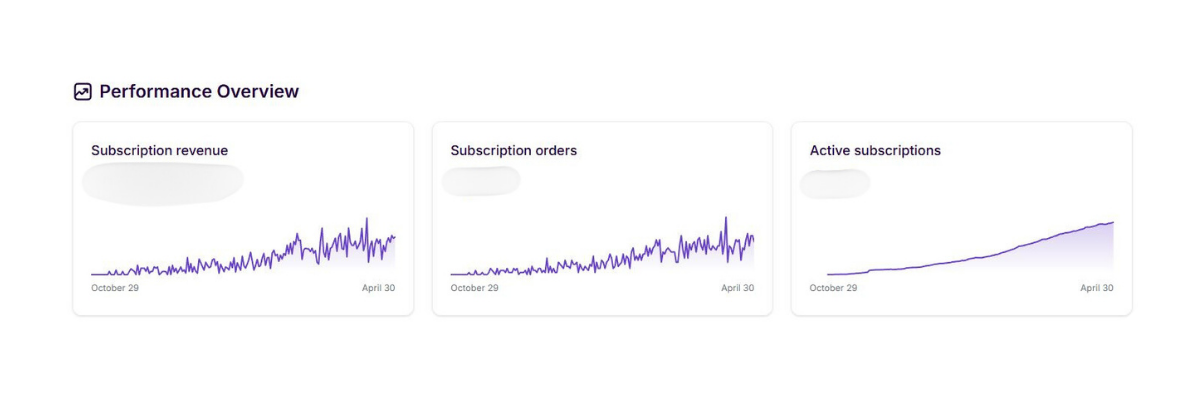
The system worked. Across every channel, the pieces connected and the numbers reflected it.
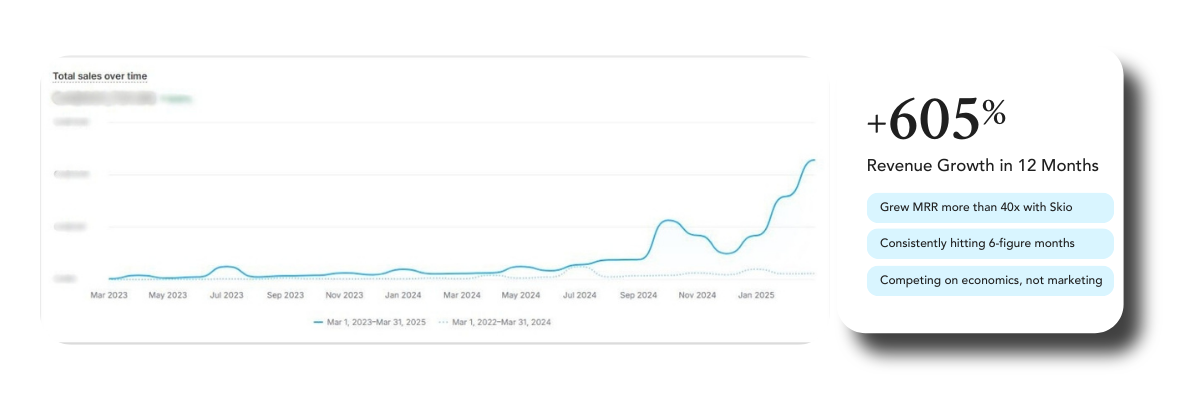
35% of first-time buyers subscribed on their first purchase. A direct result of the website, ads, and email all working together to build trust and communicate value before ever asking for a commitment.
CPMs dropped from $48 to as low as $16 depending on creative format, with hook rates nearly doubling and cost per click dropping by over 90%.
Post-fourth-billing-cycle retention held strong after implementing surprise and delight offers at the critical drop-off point, keeping subscribers who would have otherwise cancelled.
Ad engagement built an organic community in the comments, with thousands of interactions creating social proof that fed back into acquisition.
Non-subscriber to subscriber conversion improved through a structured email flow that introduced the subscription offer only after the customer had demonstrated repeat purchase intent.
Why It Worked
There were a number of reasons why our strategy delivered incredible results for Sense Naturals.
The product actually delivered value. This is the foundation everything else was built on. Without a product that works, no amount of strategy fixes churn.
Subscription anxiety was addressed immediately. Instead of hiding the cancel button, we showed it in the first email. That built trust from day one.
The continuity narrative ran through everything. Website, emails, ads, all reinforced the idea that this product compounds in value over time. Customers weren't buying a supplement, they were starting a long-term health routine.
Authenticity replaced polish in creative. Real footage from real events with real conversations outperformed scripted UGC by every metric that matters.
The funnel matched message to mindset. We didn't push subscriptions on cold traffic. We earned attention, built belief, then made the offer when the customer was ready.
Retention was intentionally engineered. The surprise and delight strategy at the fourth billing cycle was a data-backed decision that plugged the biggest leak in the subscription funnel.